Dog Bite Personal Injury Claims UK: Your No Win No Fee Rights
Dog Bite Personal Injury Claims UK: Your No Win No Fee Rights
Being bitten by a dog is a distressing experience. Beyond the immediate physical pain, you might be left dealing with scarring, infection risks, psychological trauma, or significant medical bills. If you're wondering whether you have the right to claim compensation for a dog bite in the UK, the straightforward answer is: quite possibly, yes. And the good news is that pursuing a personal injury claim doesn't necessarily mean paying solicitor fees upfront—that's where the no win no fee arrangement comes in.
In this guide, we'll walk you through how dog bite claims work under UK law, what you need to prove, and how a solicitor can help you recover damages without financial risk.
Do You Have a Worthy Claim for a Dog Bite?

Not every dog bite automatically entitles you to compensation, though many are. The key legal concept here is negligence. To succeed with a personal injury claim, you'll need to demonstrate three core elements:
The Defendant Had a Duty of Care
In most dog bite cases, the dog owner (the defendant) has a clear duty of care towards you. This is the legal obligation to take reasonable steps to prevent harm. Under the Animals Act 1971, a dog owner is responsible for controlling their animal and ensuring it doesn't injure others. Whether the incident happened in a park, on a pavement, or during a visit to someone's home, that duty exists.
The Defendant Breached That Duty
Next, you must show there was a breach of duty. This means the owner failed to exercise reasonable care. Examples include:
- Letting a dog off-lead in a public area where it's prohibited
- Not warning you about a known aggressive dog
- Failing to restrain a dog with a known history of biting
- Leaving a dog unsupervised with children or in circumstances where it could roam freely
- Ignoring signs that a dog was becoming agitated or distressed
You Suffered Measurable Loss or Injury
The bite must have caused you actual harm—physical injuries, medical expenses, time off work, or psychological impact. The burden of proof rests on you as the claimant, though your solicitor will help gather evidence to demonstrate this clearly.
How Liability Works in UK Dog Bite Cases

Liability in these cases usually sits firmly with the dog owner. UK courts have consistently held owners responsible for their animals' actions, particularly when they've failed to prevent foreseeable harm. However, circumstances vary.
When Liability Is Straightforward
If you were in a place where you had every right to be—walking along a public footpath, shopping in a town centre, or visiting a friend's home by invitation—and the dog was not properly restrained or controlled, the owner's liability is often clear-cut.
When Liability Becomes Complex
The situation becomes murkier if, for instance, you were trespassing on private property, or if you provoked the dog. Courts may reduce your compensation through contributory negligence if they find you partly at fault. However, this doesn't necessarily eliminate your claim—it may simply reduce the final damages award.
What Compensation Can You Recover?
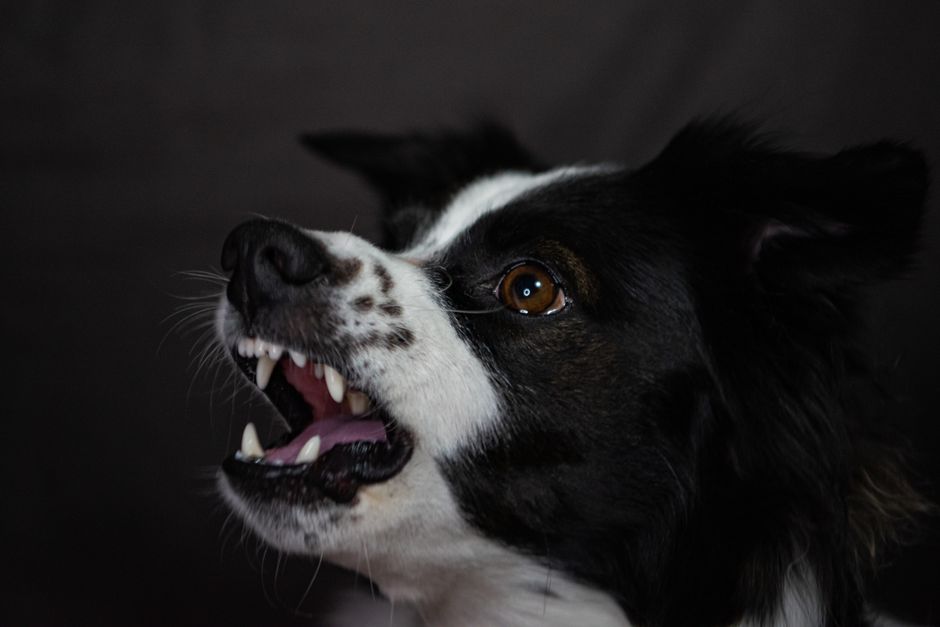
Damages in a dog bite claim typically cover:
- Medical expenses: GP visits, hospital treatment, wound care, vaccination boosters (such as tetanus or rabies prophylaxis)
- Cosmetic and reconstructive treatment: If scarring or disfigurement occurred, costs for procedures to improve appearance
- Lost earnings: Income lost whilst recovering or attending medical appointments
- Travel costs: Expenses incurred getting to hospital or medical appointments
- General damages: Compensation for pain, suffering, and loss of amenity—acknowledging the psychological impact and reduced quality of life
- Future losses: If ongoing treatment or care is needed, the claim can include future costs
The exact amount depends on the severity of injury, your recovery time, and the specific circumstances. A solicitor with experience in personal injury claims can help you calculate a realistic figure based on similar cases and relevant case law.
The Statute of Limitations: Don't Miss Your Window
In the UK, you generally have three years from the date of the incident to bring a personal injury claim. This is called the statute of limitations. However, there are exceptions—for instance, if you were under 18 when bitten, the clock starts from your 18th birthday. Claims involving minors or those lacking mental capacity may have different timescales.
The message is clear: don't delay. The sooner you contact a solicitor, the better. Evidence is fresher, witnesses' memories are clearer, and your solicitor has ample time to build a strong case.
How No Win No Fee Works for Dog Bite Claims
This is where many people feel reassured. A no win no fee arrangement, formally known as a conditional fee agreement, means your solicitor only takes payment if your claim succeeds. If the claim is unsuccessful, you won't pay their fees.
What You Actually Pay
Under a conditional fee agreement, the solicitor's costs are typically recovered from the defendant's insurance or the defendant themselves if you win. This aligns your solicitor's interests with yours—they're motivated to win because that's how they get paid.
You may still be responsible for certain costs:
- Court fees: Necessary administrative charges (though solicitors sometimes cover these initially)
- Expert fees: If medical experts need to assess your injuries, these costs may be recoverable from the defendant if you win, or covered by insurance
- After-the-event insurance (ATE): Some solicitors recommend this to cover the defendant's legal costs if your claim fails, though this is optional
A trustworthy solicitor will explain all potential costs upfront, so you're never left surprised.
Building Your Case: What Evidence Matters
To prove negligence and liability, your solicitor will typically gather:
- Medical records: Documentation of your injuries and treatment
- Photographs: Images of wounds, scarring, or other visible injuries
- Witness statements: Accounts from people who saw the incident
- Police reports: If the bite was reported to authorities, these records strengthen your case
- Council complaints: Records of previous complaints about the same dog or owner
- Social media or written records: Evidence the owner knew the dog had behavioural problems
- Expert evidence: Veterinary or medical assessments, if necessary
- Employment records: Proof of lost earnings during recovery
Don't underestimate the importance of documenting everything immediately after the incident. Keep receipts for medical treatment, photograph injuries regularly as they heal, and write down what happened whilst it's fresh in your memory.
The Pre-Action Protocol: Before Court
Before any claim reaches court, UK law requires parties to follow the Pre-Action Protocol. Your solicitor will:
- Send a formal letter of claim to the defendant, outlining your injuries, losses, and the compensation sought
- Allow them time to respond (typically 30 days)
- Negotiate, if possible, to reach a settlement without court involvement
Most dog bite claims settle at this stage. Court proceedings are expensive and time-consuming, so both sides often prefer resolution earlier. Your solicitor acts as your representative, handling all communication and negotiation.
What If the Claim Goes to Court?
If settlement talks fail, your case may proceed to court. This happens rarely in straightforward dog bite cases, but it's worth understanding the process. Your solicitor will prepare your case, gather evidence formally, and represent your interests before a judge. The judge will assess whether the defendant breached their duty of care and, if so, what damages you deserve.
Common Questions About Dog Bite Claims
What If the Dog Owner Has No Insurance?
Many homeowner's and pet insurance policies cover dog bite liability. Your solicitor will investigate the defendant's insurance before proceeding. If there's no insurance, recovery becomes more difficult but isn't impossible—a court judgement against an uninsured owner can still be enforced, though practically collecting damages may be challenging.
Does It Matter Where the Bite Happened?
Location affects the strength of your claim. A bite in a public space where the dog should have been controlled strengthens liability. A bite on private property where you were invited is also solid ground. Trespassing complicates matters but doesn't necessarily defeat your claim.
What If I Was Partially at Fault?
Even if you partly contributed to the incident—say, you approached an unfamiliar dog or didn't heed warnings—you can still claim. However, compensation may be reduced proportionally to your degree of fault. This is called contributory negligence.
Getting Started: Next Steps
If you've been bitten by a dog and suffered injury, here's what you should do:
- Seek medical attention: Get your injuries assessed and treated. This creates an official medical record.
- Report the incident: Contact your local council's environmental health or police non-emergency line to report the bite.
- Gather evidence: Photograph injuries, collect witness contact details, and keep all receipts and records.
- Contact a solicitor: Reach out to a no win no fee personal injury solicitor to discuss your claim. There's no obligation at this stage—it's simply a consultation.
A qualified solicitor experienced in dog bite claims will assess whether your case is worthy, explain your realistic chances, and outline the process clearly. They'll work on a conditional fee basis, so you're protected financially whilst pursuing the compensation you deserve.
Why Choose a No Win No Fee Solicitor?
The primary advantage is obvious: financial security. You're not risking money upfront to pursue justice. But there's more to it. Solicitors offering no win no fee arrangements typically have experience with numerous claims and understand the nuances of negligence law. They're selective about the cases they take because their income depends on successful outcomes. This means they'll give you honest advice about your claim's merits rather than encouraging weak cases.
The relationship is straightforward and transparent. Your solicitor's incentive is aligned with yours—winning your case and recovering fair compensation.
Final Thoughts
A dog bite can have lasting physical and psychological effects. You shouldn't bear the financial burden alone, particularly when the dog owner failed in their duty of care. Under UK law, you have genuine rights and remedies. With a no win no fee solicitor in your corner, you can pursue a personal injury claim without the stress of legal costs weighing on you.
The three-year window won't remain open forever, so if you're considering a claim, now is the time to act. Get professional advice, understand your position, and take the next step towards recovery and fair compensation.
Ready to Explore Your Options?
If you've been bitten by a dog and want to understand whether you have a viable claim, contact a specialist no win no fee personal injury solicitor today. Most offer free initial consultations, so you can discuss your circumstances without any financial commitment. Your solicitor will assess your case, explain your rights, and guide you through the claims process with clarity and professionalism. Don't let this opportunity pass—your compensation claim could be the support you need to move forward.
FAQ
What is a no win no fee agreement in UK dog bite personal injury claims?
A no win no fee agreement, also known as a conditional fee agreement, means you only pay your solicitor's fees if your claim is successful. If your dog bite claim fails, you won't be charged legal fees, though you may still be responsible for the other party's costs if you lose. This arrangement allows victims to pursue justice without upfront financial risk. It's a common arrangement used by personal injury solicitors handling dog bite cases across the UK.
How much compensation can I claim for a dog bite injury in the UK?
The compensation amount for a dog bite claim in the UK depends on the severity of your injuries, including scarring, infection, psychological trauma, and loss of earnings. Minor injuries might result in £1,000-£5,000, whilst more serious bites with permanent scarring could reach £10,000 or more. The courts use the Judicial College Guidelines to assess general damages, and you can also claim for specific losses like medical treatment and lost income. Each case is unique, and a solicitor can provide a more accurate estimate based on your circumstances.
What evidence do I need to support my dog bite personal injury claim in the UK?
You should gather photographs of your injuries, medical records and treatment receipts, witness statements from anyone who saw the incident, and details about the dog and its owner. Police reports or local council records of the dog bite can be valuable evidence, along with proof of any expenses incurred such as healthcare costs or lost wages. Documentation showing the dog's history of aggression or previous incidents can also strengthen your claim. Keep all records organised and provide them to your solicitor to build a strong case.
Can I claim compensation if the dog bite happened on someone else's property in the UK?
Yes, you can claim compensation for a dog bite that occurred on someone else's property if the owner or occupier was negligent or failed in their duty of care towards you. The property owner may be liable if they knew the dog was dangerous and didn't take reasonable precautions, or if they failed to control or restrain the animal adequately. Your right to claim depends on the circumstances of the incident and whether negligence can be established. A personal injury solicitor can assess whether you have a valid claim based on the specific details of your case.
What is the time limit for filing a dog bite personal injury claim in the UK?
In the UK, you generally have three years from the date of the dog bite incident to file a personal injury claim, as per the Limitation Act 1980. This deadline is crucial, and claims submitted after this period may be rejected by the courts unless exceptional circumstances apply. If the victim was a child at the time of the bite, the three-year limit typically begins when they turn 18. It's important to contact a solicitor as soon as possible after your injury to ensure your claim is filed within the legal timeframe.


Comments
Post a Comment